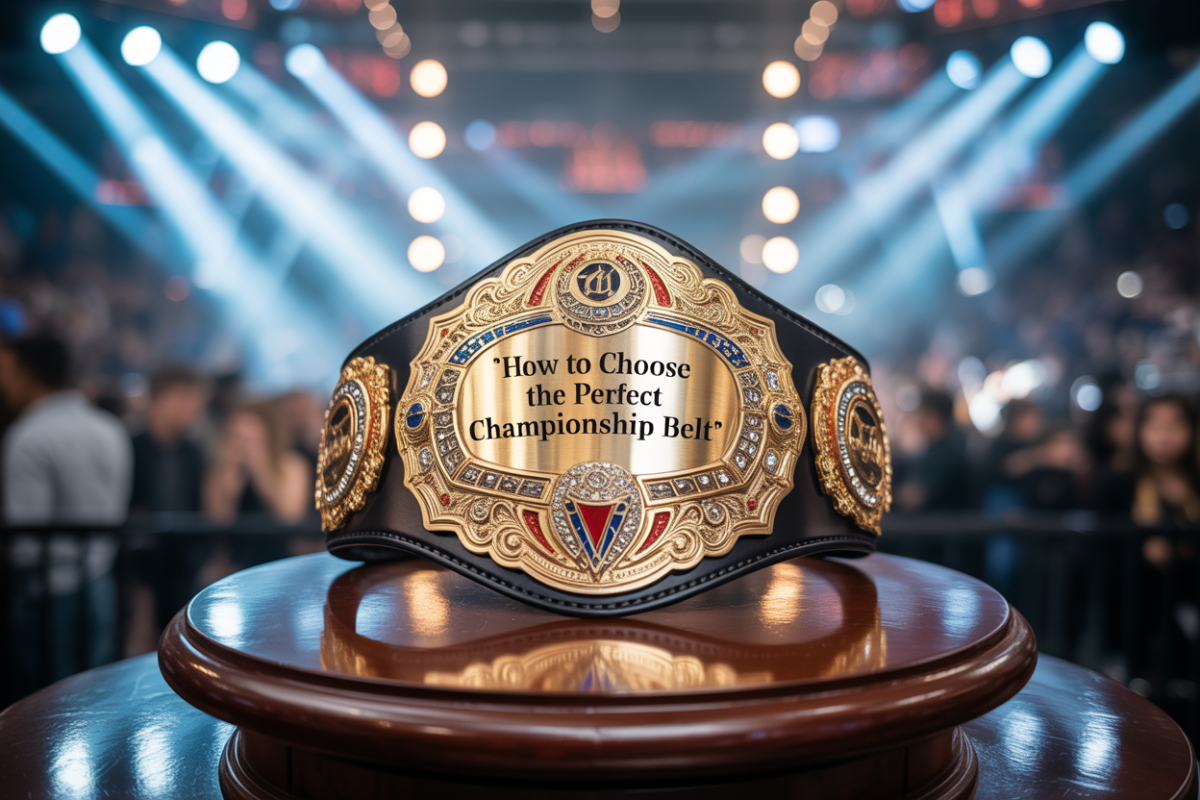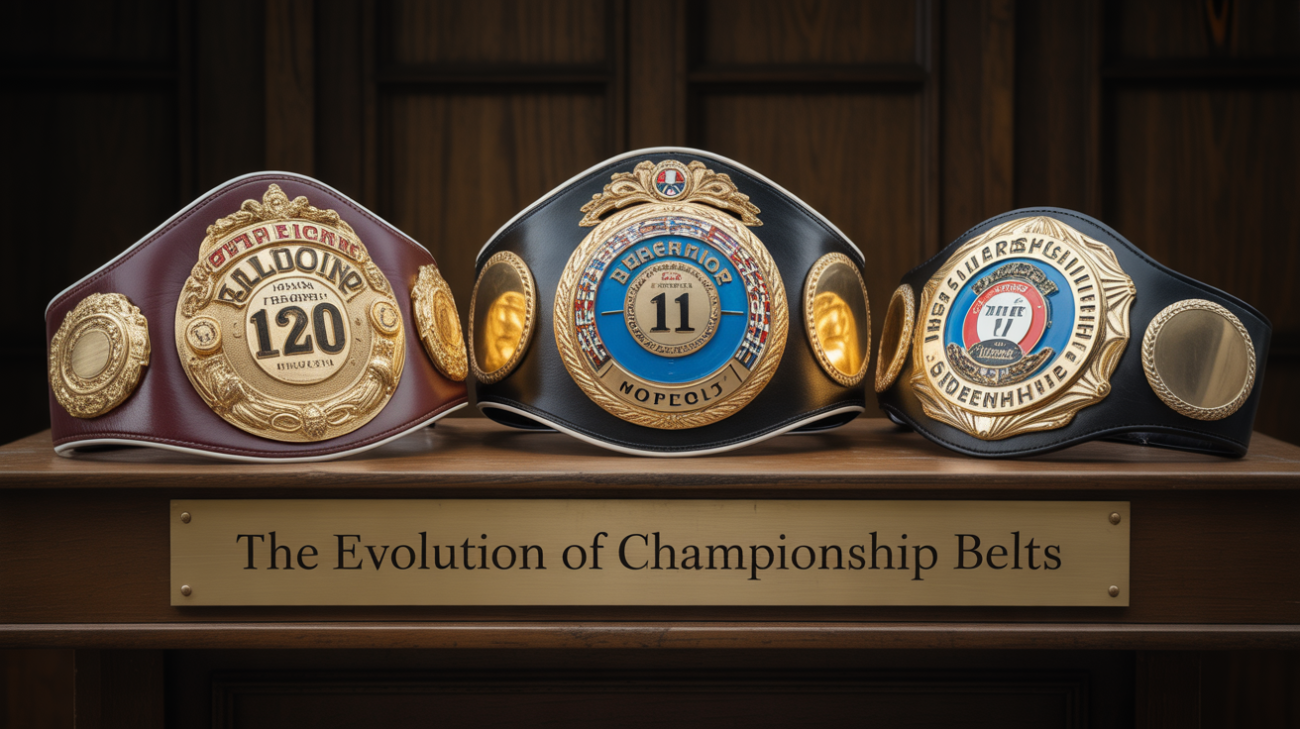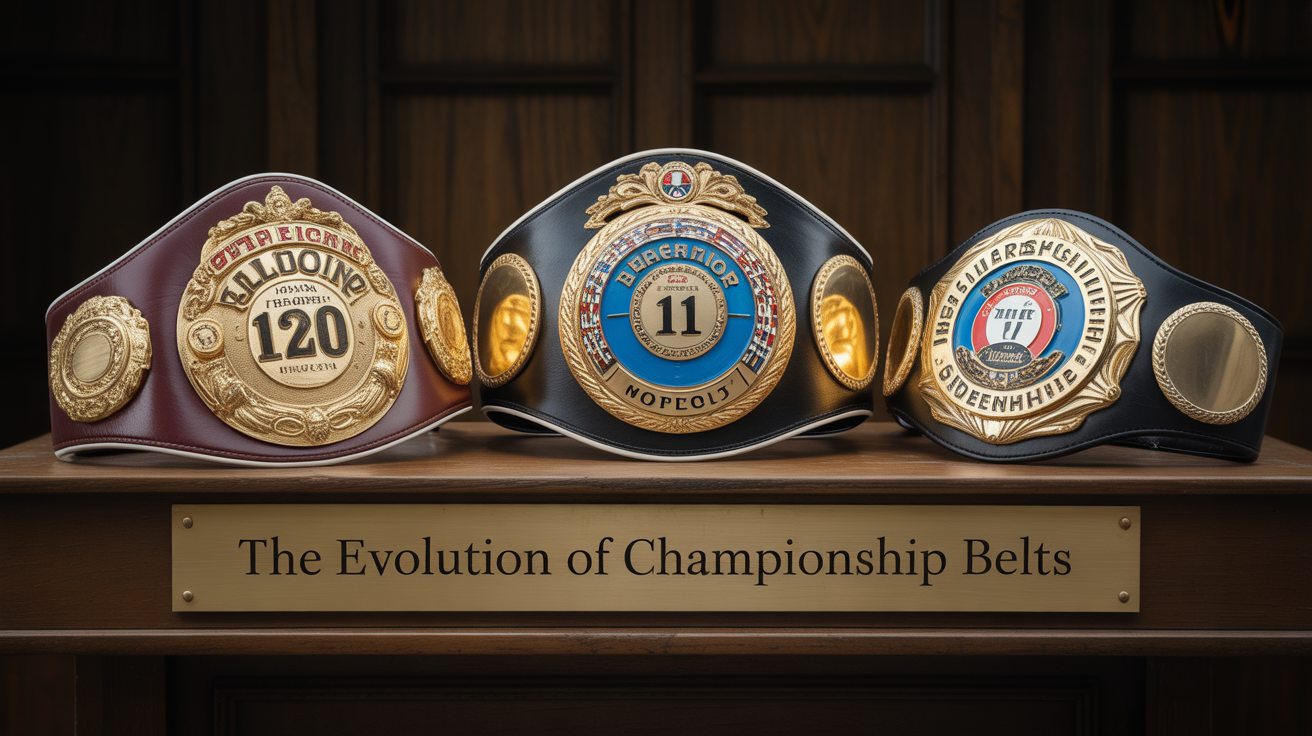
Championship belts have become one of the most recognizable and revered symbols in sports and entertainment. Whether slung over the shoulder of a world champion boxer, raised in triumph by a wrestling superstar, or awarded in a fantasy league showdown, these belts embody glory, power, and prestige. But where did this iconic symbol begin, and how has it transformed over the years?
🥊 Origins: The Early Days of Sporting Pride
The use of belts to honor champions began in the 19th century, primarily in boxing. The first known boxing championship belt was awarded in 1810 to Tom Cribb, a British boxing legend. Back then, belts were simple—crafted from leather and adorned with brass or silver plaques, bearing minimal engravings. These belts were not intended for spectacle but rather as proof of dominance in a physically demanding sport.
As boxing became more organized and governed by official bodies like the National Sporting Club and later the WBA, the belts became more ornate. They evolved into badges of honor that visually demonstrated the weight of the title a fighter carried.
🎨 Symbolism Meets Design
The early 20th century saw a rise in symbolic design elements. Belts started featuring intricate carvings, national flags, and even gemstones. Each detail—whether an eagle, lion, or laurel wreath—was chosen for its symbolic weight. Champions weren’t just competitors; they were warriors, leaders, and icons, and their belts needed to reflect that.
This attention to design was not merely aesthetic. A belt was an identity, telling the story of the organization it represented, the values it stood for, and the era it belonged to. Fans began associating certain belts with legendary matches or dominant title reigns, turning the object itself into a cherished piece of sports history.
🤼♂️ The Wrestling Boom and Belt Stardom
While boxing laid the groundwork, it was professional wrestling that turned championship belts into cultural phenomena. Starting in the mid-20th century and exploding in the ’80s and ’90s, promotions like WWE (formerly WWF), WCW, and NJPW began crafting larger, more extravagant belts.
These belts didn’t just represent athletic victory—they were essential to storytelling. Title belts were central to rivalries, betrayals, underdog victories, and dynasty reigns. Belts like the “Winged Eagle,” “Big Gold,” and “Smoking Skull” gained legendary status among fans.
In many ways, the belt became a character itself—changing hands in dramatic matches, getting redesigned to fit new champions, or even being retired in honor of past eras. These belts now sell for thousands as collector’s items, with replicas cherished by fans around the world.
🥋 The Rise of MMA and Respectful Realism
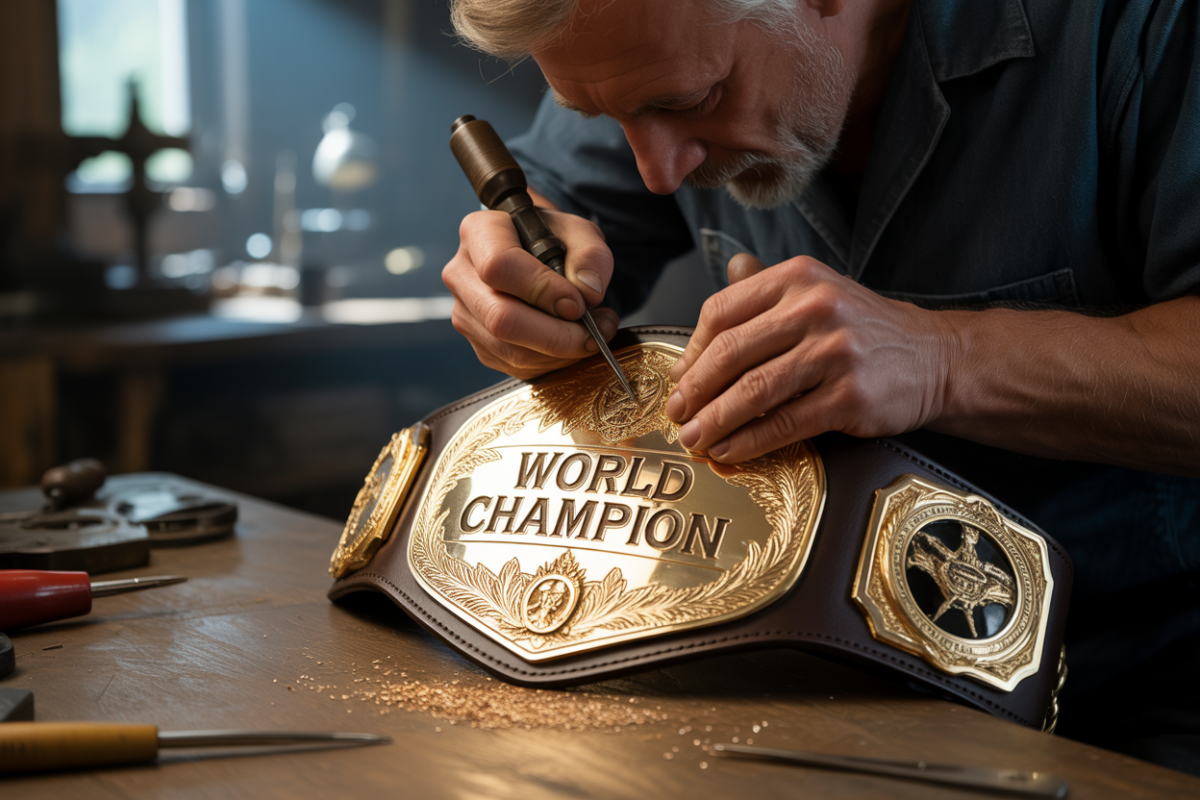
Mixed Martial Arts (MMA), especially through the global rise of UFC and Bellator, brought a more modern yet respectful approach to championship belts. These belts retained luxury with gold plating and intricate design but reflected a grittier tone compared to their wrestling counterparts.
Modern MMA belts incorporate personal touches—fighter names, title defenses, division details—making each one unique. They honor not just performance but legacy, capturing the essence of a brutal sport where respect is earned the hard way.
🖥️ Modern Day: Belts for Everyone
Today, championship belts have expanded beyond sports. They are awarded in business competitions, employee recognition programs, esports tournaments, fantasy leagues, and even bachelor parties. The accessibility of customization and online ordering has made it possible for anyone to create a belt tailored to their event.
From vegan leather options and 3D printed plates to full brass handcrafted belts with laser engravings, customers can now bring their vision of glory to life. This shift has made the championship belt a universal symbol—not just of victory, but of celebration and recognition.
🏁 Final Thoughts
From boxing rings in 1810 to boardrooms and Twitch streams today, championship belts have stood the test of time. They’ve evolved in material, design, and purpose, but their symbolic power remains unchanged. A belt still says: “You’ve earned this. You are the best.”
Whether you’re a collector, a fan, or someone awarding your own champions, understanding the journey of the championship belt adds depth to the story behind the shine.